

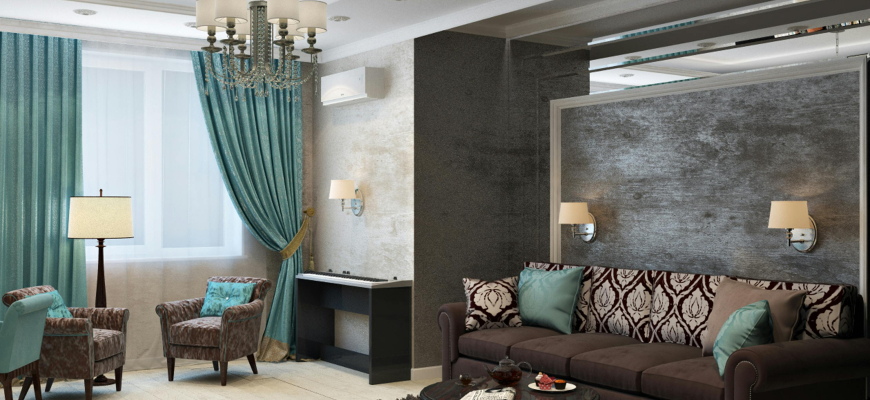
Designing with Soul: How to Create a Home that Reflects Your Story
In a world full of copy-paste interiors and trend-driven spaces, there’s something deeply grounding about walking into a home that feels alive—a home that tells a story, holds meaning, and reflects the soul of its inhabitant. This is the essence of designing with soul.
Your home should be more than just visually appealing—it should resonate emotionally. It should be a mirror of your experiences, memories, values, and dreams.
Here’s how to design a space that feels truly yours.
1. Start with Intention, Not Imitation
Before jumping into styles or color palettes, ask yourself:
-
How do I want to feel in this space?
-
What memories or values do I want my home to reflect?
-
Which moments, objects, or places have shaped me?
Designing with soul begins with clarity about who you are, not just what you like. Trends may change, but authenticity lasts.
2. Fill Your Space with Meaning
Instead of decorating with mass-produced items, curate pieces that carry emotional weight:
-
A ceramic bowl from a local market on your travels
-
A family heirloom or vintage find with history
-
Photos that tell a story—not just perfectly staged moments
-
Artwork that moves you, even if it's not "on-trend"
These personal elements infuse your home with depth and dimension.
3. Use Color and Texture Emotionally
Colors speak to the subconscious. Think beyond aesthetics and ask: Which colors soothe me? Energize me? Remind me of home?
-
Earthy tones can evoke grounding and stability
-
Soft blues and greens offer calm and clarity
-
Warm neutrals bring comfort and familiarity
-
Rich hues like terracotta or mustard add depth and character
Textures—linen, wood, stone, wool—also play a big role in how a space feels. Choose materials that invite touch and warmth.
4. Mix Styles to Reflect Your Journey
Don’t be afraid to blend design styles. After all, you are not one-dimensional—your space shouldn’t be either.
-
Combine vintage and modern pieces
-
Balance minimalism with sentimental objects
-
Blend rustic, bohemian, or even industrial touches if they feel like “you”
A soulful home celebrates contrast, complexity, and imperfection.
5. Design for Your Daily Rituals
Your home should support the way you live. Design around your habits, joys, and rituals:
-
A cozy nook for morning journaling
-
A music corner with your favorite records
-
Open shelves for the cookbooks you actually use
-
A meditation or reflection space with natural light
Form should follow feeling—what makes your soul feel nourished?
6. Bring Nature In
There’s nothing more soulful than the rhythm of the natural world. Bring it into your home through:
-
Plants, flowers, and organic shapes
-
Natural materials like stone, rattan, wood
-
Light—both natural and soft, ambient lighting at night
Nature connects us back to ourselves.
7. Leave Room to Grow
A soulful home isn’t “done”—it evolves. Leave space on shelves, empty walls, or areas that can be filled over time with new stories, experiences, and finds. It’s okay for your space to be a work in progress, just like you are.
Final Thought
Designing with soul isn’t about perfection. It’s about presence. When you walk into a home that’s filled with intention, it doesn’t need to explain itself—you simply feel it.
Your home doesn’t just house your body. It shelters your spirit. So let it tell your story.


See questions on: